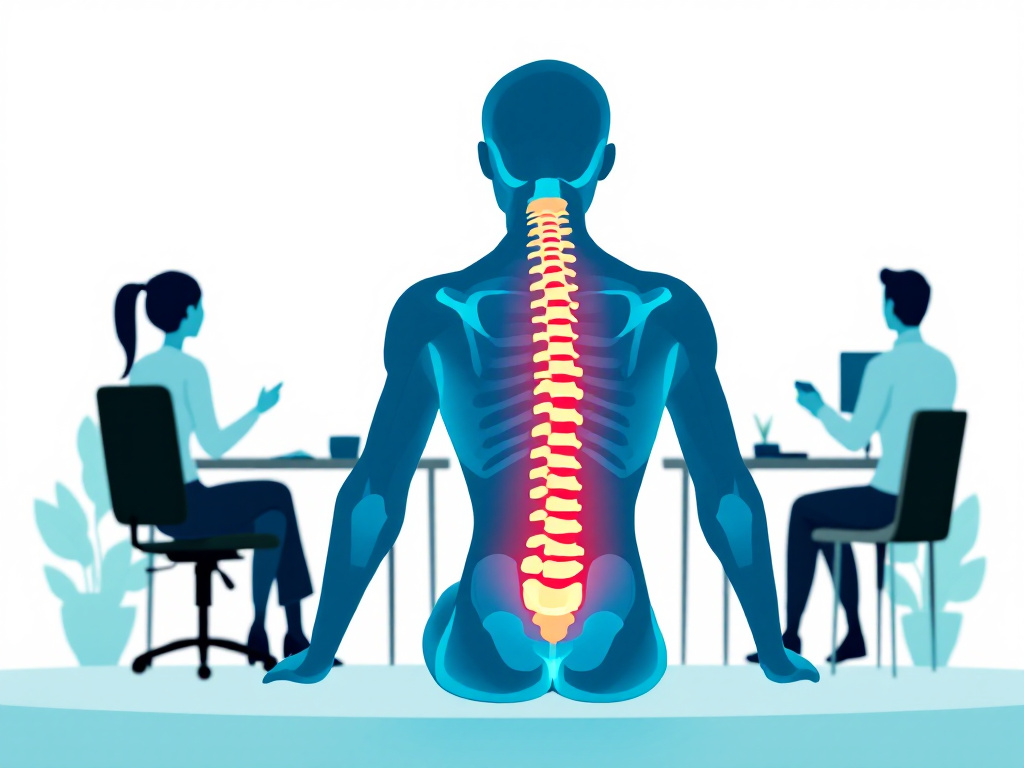
You know that spinal wellness maintenance plays a crucial role in keeping you pain-free and active throughout each day. Your spine supports your head, shoulders, and upper body while protecting the spinal cord [1]. Neglecting posture, skipping preventive care, or ignoring early stiffness can lead to chronic pain and limited mobility.
By age 25, one in four people show some disc degeneration, increasing to two-thirds by age 40 and 90 percent by age 60 [2]. These changes often start without noticeable symptoms until a sudden strain triggers pain. Building a routine around spinal wellness maintenance today can help you avoid surgery, medication dependence, and long-term discomfort.
These fundamentals will help you shape a spinal health maintenance plan that fits your lifestyle. From targeted exercises to preventive adjustments and supportive nutrition, you’ll learn steps you can take right now to protect your spine for years to come.
Understand spinal wellness maintenance
Spinal wellness maintenance means more than occasional stretches. It combines regular movement, ergonomic awareness, mental focus on posture, and professional care to preserve your spine’s natural curvature and function. When you embrace a comprehensive strategy, you reduce stiffness, improve flexibility, and guard against common disorders.
A balanced approach addresses the muscles, tendons, and vertebral discs that bear daily loads. You’ll work on flexibility through gentle stretches, build strength in your core and back muscles, and reset alignment with preventive chiropractic adjustments. Over time, this layered routine helps you stay ahead of back pain rather than react to flare-ups.
Commit to these elements consistently, and you’ll find your body less prone to aches after long days at the desk or hours behind the wheel.
Perform targeted back exercises
These targeted exercises stretch and strengthen the muscles supporting your spine, reducing pain and enhancing flexibility. Following guidelines from Mayo Clinic and Mission Health, aim to integrate the following moves into your routine each day:
Table: Recommended daily spine-strengthening exercises (adapted from Mayo Clinic and Mission Health)
| Exercise | Description | Repetitions | Key benefit |
|---|---|---|---|
| Knee-to-chest stretch | Lie on your back and pull one or both knees toward your chest, tightening your abdominals. | 2–3 times, twice daily | Stretches lower back, eases tension |
| Cat-cow stretch | On hands and knees, alternate arching your back toward the ceiling and dipping it toward the floor. | 3–5 cycles, twice daily | Improves spine flexibility |
| Bridge exercise | Lie on your back, lift hips until shoulders, hips, and knees form a straight line. | Start at 5 reps, work up to 30 | Strengthens glutes and lower back |
| Trunk rotations | Lie on back with knees bent, lower both knees to one side, hold, then switch sides. | 5 rotations per side, daily | Enhances rotational mobility |
| Leg extensions | Lie face down and lift one leg at a time, keeping it straight and controlled. | 10 lifts per leg, once daily | Builds glute and lower back endurance |
Perform these moves gently, breathing evenly and avoiding any sharp pain. As strength and flexibility improve, you can increase repetitions and hold times to match your progress.
Optimize your posture habits
Even the best exercise routine can be undone by poor daily posture. In your office, home, or car, maintaining neutral spine alignment reduces strain on muscles and discs. Aim to sit with feet flat, hips slightly higher than knees, and shoulders relaxed.
When you notice posture drift at your workstation, consider ergonomic chiropractic services or specialized chiropractic for desk posture. Adjustable chairs, lumbar supports, and keyboard trays can help you lock in proper alignment for hours of comfortable sitting.
Prolonged sitting and screen time strain your upper back and neck, a phenomenon known as tech neck [3]. To counteract this effect, take brief movement breaks every 30 minutes—stand, stretch, or perform a quick cat-cow cycle to reset your spine.
Your evening and sleep posture matter too. Use a firm mattress that supports your natural curves, and place a pillow under your knees if you lie on your back or between your legs when you lie on your side.
Embrace preventive adjustments
Regular chiropractic care reinforces the work you do with exercise and posture. When you partner with a chiropractor for maintenance chiropractic visits, you support spinal alignment before minor imbalances turn into pain.
Preventive spinal adjustments focus on gentle realignment techniques that restore joint motion and relieve pressure on spinal nerves. By scheduling sessions at proactive intervals, you encourage long-term health rather than waiting for an acute problem to emerge.
Your chiropractor can design a preventive spinal adjustments plan tailored to your age, activity level, and any co-occurring conditions. This personalized care, combined with ongoing self-maintenance, builds resilience into your musculoskeletal system.
Adopt supportive lifestyle choices
Your diet and daily activities also shape spinal health over time. Proper nutrition provides the building blocks your bones, muscles, and discs need to repair and regenerate. The Mediterranean Diet, rich in plant-based proteins, vegetables, whole grains, nuts, and extra virgin olive oil, can reduce inflammation in spinal structures [4].
Staying hydrated transports nutrients to spinal tissues and maintains elasticity of intervertebral discs [5]. Aim for at least eight glasses of water daily, or more if you exercise vigorously.
Low-impact activities like walking, swimming, and cycling strengthen your core and spine muscles without excessive force on joints [2]. Integrate yoga or tai chi to enhance balance and body awareness. On days when work keeps you seated, set a timer to stand, stretch, or brief walk breaks to avoid extended stiffness.
Your chiropractor or wellness team can offer chiropractic wellness support resources such as habit training, ergonomic assessments, and lifestyle coaching to keep you on track.
Commit to long-term maintenance
Consistency is the linchpin of effective spinal wellness maintenance. As you combine targeted exercises, posture optimization, preventive adjustments, and supportive lifestyle habits, you build a toolbox for lasting spine health.
Track your progress, celebrate small victories—better flexibility, fewer aches—and adjust your routine as your needs evolve. To get started, reach out to a posture & spine care clinic near you for a personalized assessment and guidance on crafting the right maintenance plan.
Your spine carries you through every moment of life. Give it the daily attention, professional care, and balanced nutrition it deserves, and it will support your well-being for decades ahead.