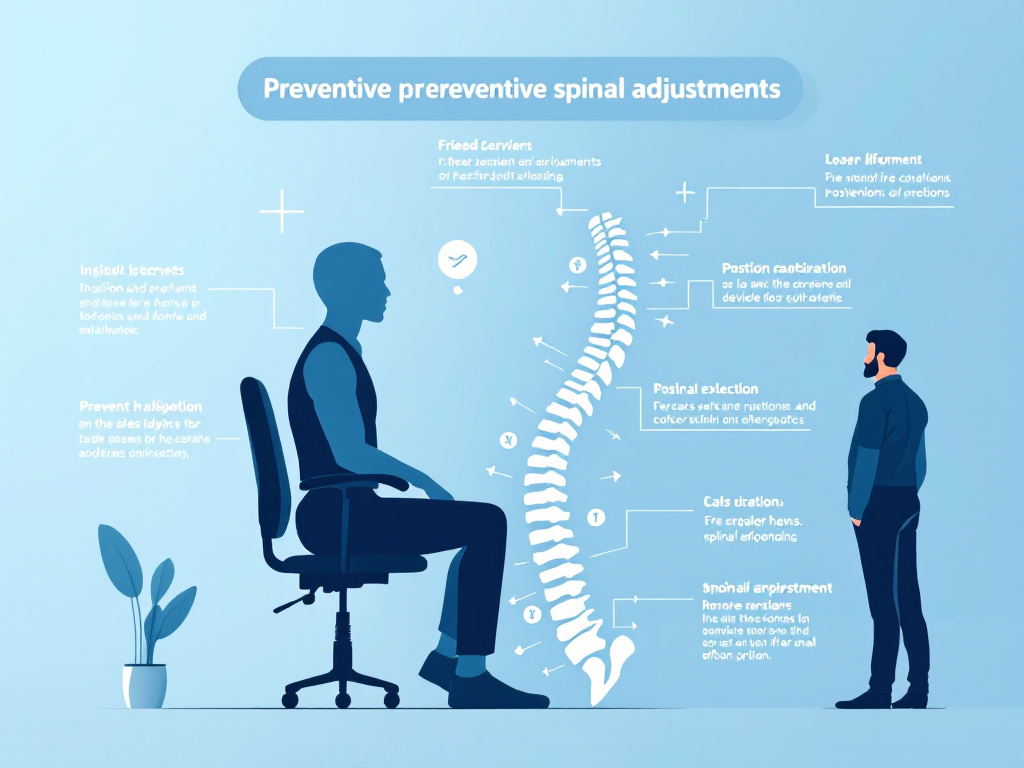
Preventive spinal adjustments overview
If you want to protect your spine and maintain your posture, preventive spinal adjustments can be an essential part of your wellness strategy. These hands-on techniques involve controlled force to realign vertebrae before symptoms become severe. By focusing on maintenance rather than reactive care, you keep your musculoskeletal system balanced. Preventive spinal adjustments, also known as maintenance care, work alongside your daily habits to support long-term spinal health.
Preventive spinal adjustments involve applying controlled, quick force to specific joints to realign vertebrae and release trapped gases in the joints, producing a cracking sound without significant pain, which helps maintain spinal health and prevent future dysfunction [1]. This non-invasive approach realigns your spine without incisions or medications. It can address minor misalignments before they lead to chronic pain or mobility issues. Over time, the practice promotes consistent spinal alignment, reducing compensatory muscle strain. You can think of preventive adjustments as routine tune-ups for your body.
When you invest in preventive chiropractic care, you establish a partnership with your chiropractor focused on early detection of misalignments. Instead of waiting for pain to escalate, you receive regular evaluations that catch small deviations in your posture. This proactive relationship lays the groundwork for a personalized spinal health maintenance plan.
Preventive adjustments fit seamlessly into a holistic chiropractic wellness plan that may include massage, exercises, and lifestyle coaching. The goal is to keep your spine resilient, mobile, and free from progressive wear.
How preventive adjustments work
Your spine comprises vertebrae, intervertebral discs, joints, ligaments, and nerves that collaborate to support your posture and movement. When a vertebra shifts out of its optimal position, it can interfere with nerve signals traveling through the spinal column. Preventive spinal adjustments aim to restore proper alignment, freeing compressed nerves and re-establishing efficient communication between your brain and body.
During an adjustment, your chiropractor applies a specific amount of force at a precise angle to the targeted vertebra, often using handheld instruments or manual thrusts. This process can release joint cavitation, the rapid change in joint pressure that produces an audible click. More importantly, the adjustment restores mobility in joints that have become restricted or fixated due to stress, posture, or repetitive movements. Once alignment is corrected, surrounding muscles and ligaments resume their natural length-tension relationships, reducing compensatory tension. Over time, consistent adjustments reinforce proper mechanics and help retrain your neuromuscular system.
Preventive chiropractic care supports optimal nervous system function by removing spinal nerve interference that can cause fatigue, muscle weakness, and tension, thereby promoting better balance, coordination, and overall wellness [2]. By enhancing nerve flow, you may notice sharper proprioception and improved reaction times during daily activities. Ultimately, the work of preventive adjustments extends beyond pain relief to full-body health.
Benefits of preventive adjustments
One of the first benefits you may experience is improved posture. Preventive spinal adjustments promote better posture by correcting misalignments caused by daily activities such as prolonged sitting, driving, and looking down at devices, which reduces muscle tension, headaches, and strain on muscles and joints [2]. Better posture not only feels more comfortable but also supports efficient breathing and digestion.
Regular spinal adjustments alleviate everyday aches and pains resulting from common stresses like carrying heavy loads or repetitive movements by restoring proper spinal alignment and reducing pressure on nerves and joints, enhancing mobility and comfort according to Wirth Chiropractic in 2022 [2]. When misaligned vertebrae press on nerves, you might feel shooting pains, stiffness, or inflammation. Consistent adjustments clear those interferences, allowing your joints to move more freely. As range of motion improves, daily tasks become smoother and less taxing on your body. You may find that bending, twisting, or lifting no longer triggers discomfort.
Preventive spinal adjustments serve a preventative role by maintaining proper spinal alignment which helps reduce the risk of injury, supports posture, and can enhance athletic performance according to chiropractic care information from Keystone Rural Health Consortia [3]. For athletes, this can mean quicker recovery between training sessions and fewer compensatory injuries.
Spinal misalignment can also contribute to stress-related symptoms like headaches, jaw pain, and poor sleep quality. Regular adjustments help reduce physical tension by improving circulation and encouraging relaxation, leading to enhanced physical and mental well-being according to Wirth Chiropractic in 2022 [2]. Better sleep amplifies your body’s natural recovery processes.
Over the long term, preventive spinal adjustments can slow the progression of degenerative changes in your spine by addressing minor misalignments early. The Diversified Technique and Activator Method, discussed later, both aim to preserve joint integrity and disc health. When you keep vertebrae aligned, you protect spinal discs from uneven wear and tear.
Finally, preventive adjustments boost the function of your entire nervous system. Correcting spinal subluxations optimizes nerve communication that governs organ function, immune response, and general health according to the chiropractic care principles shared by Commonwealth Chiropractic [4]. With clearer signaling pathways, you might notice more energy, better digestion, or fewer colds. Preventive care truly supports whole-body wellness.
Common adjustment techniques
Chiropractors use a variety of techniques to deliver preventive spinal adjustments. Two of the most common are the Diversified Technique and the Activator Method. Each offers unique benefits depending on your preferences and clinical needs.
Diversified technique
The Diversified Technique is the high-velocity, low-amplitude thrust most people associate with chiropractic care. Your chiropractor locates a restricted joint and applies a quick manual thrust to restore mobility. This method can effectively address subluxations and maintain spinal alignment for patients with diverse conditions. It requires precise hand placement and training to ensure safety and effectiveness [4].
Activator method
The Activator Method uses a handheld instrument to deliver a gentle, low-force impulse to the spine. It is ideal for individuals who prefer a less forceful approach or for areas that may be too sensitive for manual thrusts. Because the force is controlled and targeted, it reduces the risk of soreness and is often used with older adults or patients with osteoporosis. Activator adjustments also produce measurable impulses for consistent outcomes [4].
| Technique | Force | Ideal for |
|---|---|---|
| Diversified | High-velocity | General adult population |
| Activator method | Low-force | Sensitive spines, older adults |
Integrate adjustments into your routine
To get the most from preventive spinal adjustments, you need to embed them in a broader routine that supports spinal health. Your chiropractor may recommend maintenance chiropractic visits at intervals based on your condition, lifestyle, and goals. At first, you might visit two to three times per week to correct acute misalignments. As your spine stabilizes, frequency typically reduces to once a week and eventually shifts to monthly or quarterly check-ins. This graduated approach, known as maintenance care, helps you maintain the gains you achieve during acute therapy.
You can amplify adjustment effects with ergonomic chiropractic services at home or work. An ergonomic assessment ensures your desk, chair, and monitor are aligned to reduce spinal stress. Pairing adjustments with proper setup prevents misalignments from reoccurring.
Daily posture training is another key element of your routine. Integrate brief posture checks into your day by standing tall with shoulders back and engaging your core. Your chiropractor can provide chiropractic habit & posture training to develop new muscle memory. Over time, good posture becomes second nature.
Stretching and strengthening exercises also matter. Certain movements encourage spinal mobility while others stabilize the muscles that support your vertebrae. Ask your provider for a tailored program within your spinal wellness maintenance.
After spinal adjustment expectations
It is normal to feel mild soreness in the hours following an adjustment as your body adapts to restored alignment. This discomfort generally resolves within 24 hours, and many patients report feeling more relaxed and less stiff.
After preventive chiropractic adjustments, mild soreness or minor aches may occur temporarily, usually resolving within 24 hours, and regular chiropractic care can reduce the frequency and intensity of such side effects [1]. To support recovery, stay hydrated, apply ice or heat to tender areas, and avoid strenuous activity for the remainder of the day. Simple self-care enhances adjustment effectiveness.
Long-term benefits extend beyond immediate relief. Consistent preventive adjustments educate your body on proper mechanics and reduce the likelihood of recurring spinal issues. You may notice improved sleep quality, less muscle tension, and greater freedom of movement. These gains add up, creating a solid foundation for overall health.
Choosing a chiropractic provider
Selecting the right chiropractor is crucial for successful preventive spinal adjustments. Look for a provider with licensure in your state, demonstrable experience in maintenance care, and continuing education in evidence-based techniques. You can verify credentials online or ask direct questions during a consultation. Transparency about treatment plans and expected outcomes often signals a practitioner committed to your long-term wellness.
When evaluating clinics, consider a posture & spine care clinic or a specialist in posture alignment chiropractor services. Local options like preventive spinal care charlotte or wellness chiropractic charlotte may offer tailored programs for your region. Reviews and patient testimonials can help you choose a practice that aligns with your goals.
During your initial visit, discuss your history, lifestyle factors, and spinal health goals. Ask how the chiropractor incorporates preventive care into their protocols and whether they collaborate with other specialists, such as physical therapists or massage therapists. A well-rounded team can address underlying issues that contribute to misalignments. Ensure your provider explains techniques clearly and obtains informed consent before any adjustment. A trusting relationship forms the basis for effective preventive care.
Final thoughts and next steps
Preventive spinal adjustments represent a smart, proactive investment in your spinal health. By combining regular adjustments with ergonomic support, posture training, and targeted exercise, you build resilience against pain and dysfunction. As your maintenance schedule evolves, you become an active partner in preserving your spine’s integrity. This comprehensive approach supports not only your back but your overall well-being.
If you are ready to explore how preventive spinal adjustments can fit into your life, reach out to your chiropractor to craft a personalized plan. Discuss options such as a chiropractic wellness plan or long-term strategies in long term chiropractic care. Making proactive spinal health a priority today pays dividends for years to come.
Take the first step toward lasting spinal wellness and schedule your preventive adjustment now.