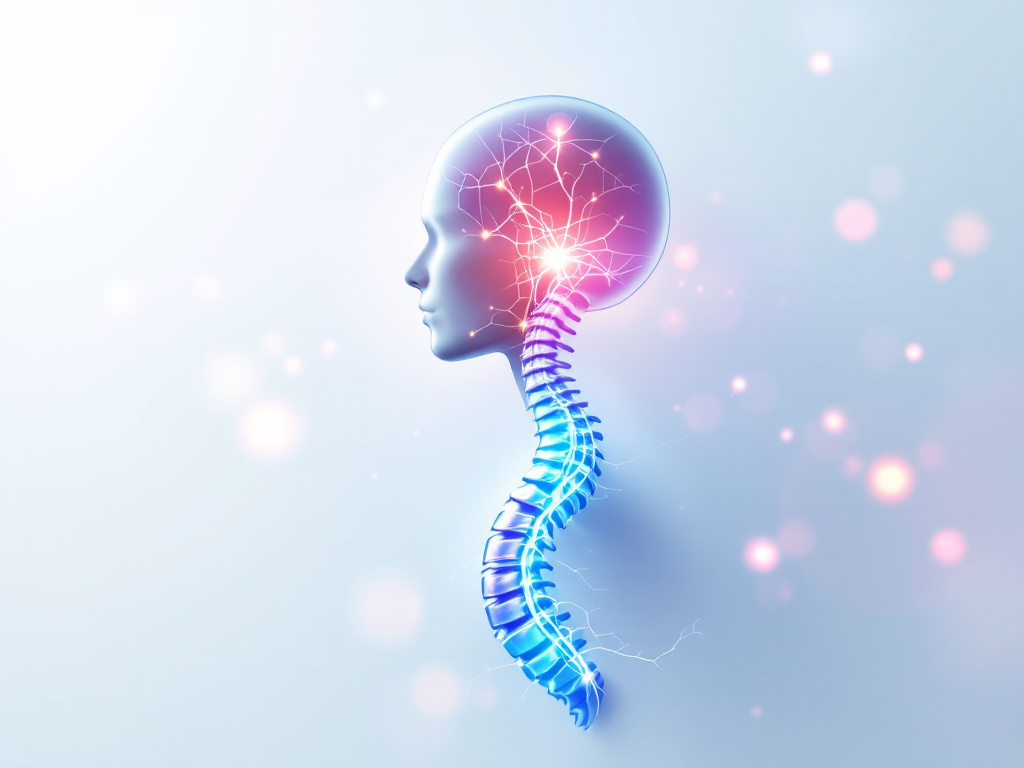
What neurologic chiropractic care is
Neurologic chiropractic care focuses on how your spine, brain, and nervous system work together, not just on isolated joint pain. Instead of only looking at where you hurt, this approach evaluates how well signals are traveling between your brain and body, then uses precise spinal and neurologic techniques to restore that communication.
Your central nervous system coordinates every internal body function, movement, thought, emotion, behavior, and cognitive process. When the system is not functioning well, you might notice symptoms in many areas at once, such as pain, fatigue, mood changes, poor balance, or brain fog. Neurologically focused chiropractors use advanced assessments and targeted care to address these issues at their source rather than simply chasing symptoms [1].
If you are already exploring chiropractic neurologic support or bowker neuromusculoskeletal care, neurologic chiropractic is the framework that often ties your pain relief, postural correction, and performance goals together.
How neurologic chiropractic care works
Neurologic chiropractic care follows a structured process. Your provider will typically:
- Assess your nervous system and movement patterns
- Identify where communication between your brain and body is disrupted
- Use specific adjustments and neurologic exercises to improve that communication
- Reevaluate and refine your plan based on objective progress
Advanced nervous system assessments
Many neurologically focused practices use technology to measure how your nervous system is functioning. For example, Neuro Based Chiropractic Care at Thrive Family Chiropractic utilizes INSiGHT Scans to assess the health and function of the central nervous system, which is critical for coordinating every internal body function, movement, thought, emotion, behavior, and cognition [2].
These tools can include:
- NeuroThermal scans to detect changes in skin temperature along the spine that may reflect autonomic nervous system stress and regional effects of subluxation or dysautonomia. These findings can help explain digestive, immune, hormonal, and sleep issues, including colic, reflux, constipation, chronic ear infections, allergies, adrenal dysfunction, and sleep problems in children [2].
- NeuroSpinal EMG scans to measure muscle tone and neuromotor system function. These are especially useful in children with Autism, Asperger’s, Sensory Integration Disorders, ADHD, and anxiety, where they can identify stuck tension, altered tone, and exhaustion in the neuromotor system [2].
- Heart Rate Variability (HRV) scans to evaluate the balance and adaptability of your autonomic nervous system. HRV helps track changes in stress response, sleep quality, energy, and emotional health during care, and it does this without the side effects of medication [2].
These objective measures complement hands-on neurologic and orthopedic exams, balance and coordination tests, and detailed postural evaluations similar to those used in postural therapy chiropractic care.
How spinal adjustments affect your brain
You might think of chiropractic adjustments as something that only affects your joints. Emerging research suggests that they can also influence how your brain processes sensory and movement information.
A 2024 randomized controlled study of 76 chronic low back pain patients in Henley-on-Thames, England, found that four weeks of chiropractic care significantly changed resting brain activity. Participants who received chiropractic care showed increased EEG power in the Theta, Alpha, and Beta bands, and decreased Delta power compared to controls, indicating altered brain activity following chiropractic adjustments [3].
The same study found:
- Increased Alpha activity within key Default Mode Network regions such as the parahippocampal cortex, posterior cingulate cortex, medial orbitofrontal cortex, rostral anterior cingulate cortex, and precuneus. These changes appeared immediately after treatment and were sustained after 4 weeks [3].
- A significant decrease in the N30 somatosensory evoked potential peak amplitude after adjustments, a finding that reflects neuroplastic changes in central sensorimotor processing that did not occur in the control group [3].
- Changes in functional connectivity between brain regions, including increased Alpha band connectivity and decreased Beta band connectivity between Default Mode Network structures, which point to central nervous system network alterations after chiropractic care [3].
- Objective improvements in sleep stages, particularly light sleep, and better quality of life scores, including reductions in anxiety, depression, fatigue, and pain after four weeks of care [3].
These findings support what many patients report in practice: reduced pain, clearer thinking, calmer mood, and better sleep as nervous system function improves.
Conditions that may benefit from neurologic chiropractic
Neurologic chiropractic care is especially relevant when your symptoms suggest a mix of musculoskeletal and neurologic involvement. This can include pain, coordination problems, sensory changes, cognitive or mood symptoms, and postural issues.
Posture, spine, and nerve related problems
If you are already considering chiropractic for spinal curvature conditions or chiropractic for scoliosis charlotte, neurologic chiropractic adds a layer of precision. It looks at how curvature, posture, and alignment are affecting nerve function and brain-body communication.
Examples where this approach is helpful:
- Chronic neck and back pain, particularly when standard care has not been enough
- Sciatica and radiating leg pain, especially persistent cases addressed by chiropractic for chronic sciatica or chiropractic for sciatica and posture
- Thoracic outlet type symptoms such as numbness and tingling in the arms and hands, often linked to tight musculature and altered mechanics around the neck and shoulders [4]
- Whiplash or post-auto accident issues, where neck proprioception, balance, and visual tracking can all be disrupted, which aligns with the focus of chiropractic for whiplash and posture)
NeuroLogic Chiropractic Center in Michigan, for example, combines chiropractic functional neurology with rehabilitative exercises to treat neck and back pain, sciatica, peripheral neuropathies, and sports and auto injuries. They not only adjust the spine but also rehabilitate the brain pathways that control the spine and restore balance, core, and visual pathways for longer lasting results [4].
Headaches, migraines, and mood
Frequent headaches or migraines often involve both mechanical and neurologic components. Patients receiving regular chiropractic care often report reduced frequency and intensity of headaches and migraines, which is attributed to alleviating nerve pressure caused by spinal misalignments [5]. Neurologic chiropractic adds monitoring of autonomic balance, muscle tone, and brain activation patterns to better understand why your head pain persists.
This is especially helpful if you are exploring targeted care like chiropractic for migraine charlotte.
A 2020 review highlighted that chiropractic care and spinal manipulation can influence the autonomic nervous system by activating parasympathetic responses that counter sympathetic overactivity. Sympathetic dominance is associated with symptoms common in major depressive disorder, including high cortisol, insomnia, and anxiety [6]. The review noted that:
- Spinal manipulative therapy can stimulate neurotrophins such as brain-derived neurotrophic factor and nerve growth factor, which support neuronal survival and have antidepressant effects [6]
- Cervical manipulation can trigger parasympathetic responses like lowered heart rate and blood pressure, which may help correct autonomic imbalances seen in depression and chronic pain conditions linked to depression [6]
- Vertebral manipulative techniques in tension-type headache patients were found to be very effective for both headache symptoms and associated depression and anxiety [6]
The authors concluded that chiropractic manipulation, spinal manipulative therapy, and vagal nerve stimulation may improve major depressive disorder symptoms by activating the parasympathetic nervous system, reducing sympathetic overactivity, and supporting neuroendocrine factors involved in mood regulation [6].
Neurologic injuries and complex symptoms
Neurologic chiropractic care is also relevant if you have a history of concussion, traumatic brain injury, or unexplained neurologic symptoms.
Complete Care in Central Florida, for example, provides neurologic chiropractic care for auto and workplace accident patients with headaches, neck or back pain, confusion, and tingling sensations in the hands and feet [7]. Their chiropractic neurologists diagnose and treat:
- Traumatic brain injury and concussion
- Radiculopathy or pinched nerves
- Ataxia, which can affect balance, muscle control, vision, hearing, and speech [7]
They use advanced diagnostics such as EMG, nerve conduction velocity tests, videonystagmography for vestibular function, brain mapping, and imaging like MRI, CT, and X ray to guide care [7]. A similar emphasis on detailed assessment and collaboration with rehabilitation therapists can help you get more complete answers when your symptoms are complex or multi-system.
Pediatric and family applications
If you have children with developmental, behavioral, or coordination concerns, neurologic chiropractic offers a non drug, gentle option worth discussing with your healthcare team.
Neurologically based chiropractic care has been used to support:
- Infants and children with reflux, head rotation preference, sleep issues, recurring ear infections, growing pains, mood regulation challenges, and coordination difficulties [1]
- Children with ADHD, where case studies report improved attention span and behavior, and patients with multiple sclerosis, where care has been associated with reduced fatigue and muscle spasms and better mobility and quality of life [5]
- Neurodevelopmental conditions such as Autism, Asperger’s, Sensory Integration Disorders, ADHD, and anxiety, using NeuroSpinal EMG to identify abnormal neuromotor patterns and tension that can then be addressed with tailored neurologic chiropractic strategies [2]
If your family is active in sports, this type of care can also overlap with performance work, similar to what you might find with a chiropractor for athletic performance or bowker performance chiropractic.
Neurologic chiropractic and autonomic balance
One of the central goals of neurologic chiropractic care is to help your autonomic nervous system shift out of a constant fight-or-flight state and regain flexibility.
The autonomic nervous system controls core functions such as eating, sleeping, digestion, and movement patterns, especially in children. INSiGHT Scans can be used to evaluate how effectively this system is managing those key functions [2].
When spinal nerves are inflamed or irritated, you can experience a wide range of symptoms, including:
- Headaches and sinus congestion
- Ringing in the ears
- Numbness or tingling
- Bladder incontinence or menstrual irregularities
- Low hormone levels
- Joint pain and stiffness
- Digestive issues and anxiety
Neurologically based chiropractic care focuses on correcting spinal misalignments and reducing pressure on the spinal nerves to reduce this dysfunction and support overall health [8].
Calhoun Spine Care describes several neurologic benefits from improved alignment and reduced nervous system tension:
- Enhanced communication pathways between the brain and body, which can lead to improved cognitive performance and greater emotional stability
- Better mental clarity, memory, concentration, and emotional well being as spinal tension and nerve pressure decrease
- Reduced headache and migraine frequency and intensity
- Support for brain health through improved blood flow, reduced inflammation, and lower stress related cortisol release [5]
If you are already working on chiropractic for balance and coordination or chiropractic for joint mobility, autonomic nervous system testing and HRV tracking can give you a more complete picture of how your body is adapting as posture and movement improve.
Many patients describe neurologic chiropractic care as the missing link between pain relief, improved posture, mental clarity, and long term performance.
Sports, performance, and neurologic specialization
For athletes and active adults, neurologic chiropractic care aligns naturally with performance and injury prevention goals. It goes beyond standard care by asking how your brain and nervous system are controlling movement, not just where you feel tight or sore.
If you are rehabbing a sports injury or looking to move more efficiently, you might combine:
- Targeted sports injury support similar to sports injury chiropractic charlotte
- Postural and movement retraining such as bowker performance & posture chiropractic
- Neurologic drills that improve reaction time, coordination, and joint stability
NeuroLogic Chiropractic Center, for instance, treats sports and auto injuries with a combination of spine adjustments, soft tissue work, and proprioceptive retraining so the neck and spine relearn how to move in a stable, coordinated way rather than just resting in a brace [4].
You can expect your neurologic chiropractor to pay attention to:
- How quickly and accurately you can stabilize joints
- Your balance on different surfaces and with eyes open or closed
- How your posture changes under fatigue
- Coordination between visual tracking, head movement, and body movement
This is where specialized services, like those grouped under bowker specialty chiropractic services or niche chiropractic charlotte, can provide a clear edge if you want to perform at a high level or return to sport safely after an injury.
What to expect in a neurologic chiropractic visit
Your first visit for neurologic chiropractic care usually feels more like a comprehensive functional exam than a quick adjustment.
Assessment and testing
You can expect some combination of:
- Detailed history, including injuries, concussion history, sleep, digestion, mood, and performance goals
- Posture and gait analysis, often similar to what you see in postural therapy specialist charlotte evaluations
- Orthopedic and neurologic tests for reflexes, strength, sensation, and coordination
- Balance and eye tracking tests
- INSiGHT scanning or similar technologies such as NeuroThermal, NeuroSpinal EMG, and HRV where available [2]
- In more complex neurologic cases, referrals for EMG, NCV, videonystagmography, brain mapping, or imaging, similar to the protocols at Complete Care [7]
This information helps your chiropractor determine whether your main issues are structural, neurologic, or a mix of both and how aggressive or cautious to be with care.
Treatment and progress tracking
Your care plan may include:
- Specific spinal and extremity adjustments to reduce nerve irritation and improve joint mechanics, consistent with work on chiropractic for joint dysfunction
- Neurologic exercises that challenge balance, visual tracking, or limb coordination
- Postural retraining strategies similar to chiropractic for posture and spine issues, particularly if you also have sciatica or scoliosis concerns
- At home exercises or lifestyle changes to support nervous system regulation such as sleep routines or stress management
Progress is not only measured by how you feel, but also by changes in objective tests such as HRV, EMG readings, balance tests, and, when appropriate, follow up scans or brain mapping.
Deciding if neurologic chiropractic care is right for you
You might be a good candidate for neurologic chiropractic care if:
- You have pain plus neurologic symptoms like tingling, poor balance, or sensory changes
- You have tried standard care for neck pain, back pain, or sciatica with only partial relief, and are exploring options like chiropractic for chronic sciatica or chiropractic for sciatica and posture
- You experience headaches, migraines, or brain fog and want non drug options in addition to chiropractic for migraine charlotte
- You are recovering from concussion or TBI and still notice issues with concentration, balance, or coordination
- Your child has developmental, behavioral, or coordination challenges, and you are looking for gentle, neurologically informed support
- You are an athlete or active adult who wants to improve performance, reduce risk of re injury, and move more efficiently through options like chiropractor for athletic performance or bowker performance chiropractic
If you decide to explore this path, look for a provider who:
- Has post doctoral training or certification in chiropractic neurology or functional neurology
- Uses objective testing to assess nervous system function
- Collaborates with your other healthcare providers when needed
- Offers clear explanations and a structured plan that aligns with your goals
Neurologic chiropractic care does not replace emergency medicine, psychiatry, or neurology, but it can be a valuable part of your overall strategy for pain relief, neurologic recovery, posture correction, and performance.
When you combine specialized neurologic assessment with targeted spinal and neurologic care, you give your brain and body a better chance to communicate clearly, adapt effectively, and support the active life you want to lead.