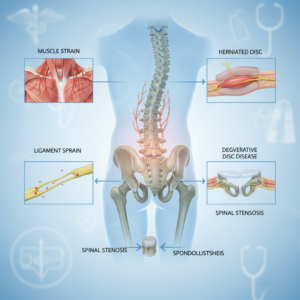
Why athletes turn to a chiropractor for athletic performance
If you are serious about your sport, you probably already train hard, eat well, and pay attention to recovery. Adding a chiropractor for athletic performance is about optimizing what connects all of those pieces, your joints, posture, and nervous system. When your body moves more efficiently and your brain can communicate clearly with your muscles, you gain an advantage that shows up in speed, strength, precision, and durability.
Research highlights that chiropractic adjustments can restore proper spinal and joint alignment so your muscles can fire more efficiently, improve reaction time, and reduce the risk of compensation injuries that hold athletes back [1]. For you, that translates to moving with less friction, recovering more quickly, and staying on the field, court, track, or course longer.
How chiropractic influences performance
Chiropractic care for athletic performance focuses on how well your body moves and how effectively your nervous system controls that movement. Instead of just treating pain, your chiropractor assesses how your joints, muscles, and brain are working together to perform complex tasks under stress.
Alignment, biomechanics, and energy efficiency
When even a single joint is not moving properly, your body compensates somewhere else. Over time, these compensations waste energy and increase strain on tissues that were not designed to handle that load. Adjustments that improve alignment and joint motion can reduce this extra work, which helps your movement feel smoother and more powerful.
Studies in sports settings show that spinal manipulation and soft tissue therapy can improve joint mobility and neuromuscular coordination and decrease the incidence of lower back pain, muscle strains, and joint sprains in athletes [2]. When your movement patterns are cleaner, you need less effort to produce the same or greater output.
Nervous system control and reaction speed
Performance is not just strength, it is timing. Your brain and spinal cord must send and receive information rapidly to activate the right muscles at the right moment. Chiropractors who focus on neurologic chiropractic care and chiropractic neurologic support pay close attention to how spinal alignment, posture, and joint function impact that signaling.
A study in The Journal of Chiropractic Research and Clinical Investigation found that athletes receiving chiropractic care improved performance by up to 16.7 percent over a two week period, with subluxation free athletes reacting faster and executing fine movements with greater accuracy and precision [3]. For you, that might mean getting to the ball first, adjusting your body mid air, or landing cleanly out of a cut.
Real world examples from elite athletes
While you may not be a professional, it is useful to see how high level athletes view chiropractic. Exercise physiologist Sean Atkins estimates that more than 90 percent of world class athletes use chiropractic care to prevent injuries and enhance performance potential [4].
Iconic performers across sports, including Michael Jordan, Charles Barkley, Muhammad Ali, and Olympic champions such as Mary Lou Retton, have reportedly used chiropractic care as part of their performance routine [3]. Tiger Woods has described chiropractic as as important as practicing his swing because it addresses muscular tightness and postural changes that affect strength balance. Tom Brady credits chiropractic for helping him feel one step ahead over a long football season [4].
You may compete at a different level, but the underlying goal is the same, keep your body performing at its best and protect the longevity of your career or active lifestyle.
Key benefits you can expect
When you work with a chiropractor for athletic performance, you are not simply chasing short term pain relief. You are investing in several interrelated benefits that support training, competition, and long term health.
Better joint mobility and functional range
Healthy joints should move freely and predictably through your sport specific range of motion. Restricted areas make it harder to hit technical positions or maintain good form when you are tired. Chiropractic adjustments, especially when paired with chiropractic for joint mobility and chiropractic for joint dysfunction, focus on restoring movement where it has been lost and stabilizing areas that are over moving.
Research on athletes shows that spinal manipulation and soft tissue treatment improve joint mobility and biomechanics, which helps you move more fluidly and with less discomfort [2]. That can mean a deeper squat with solid form, a more relaxed overhead position, or cleaner hip rotation in running and throwing.
Enhanced balance, coordination, and body control
Balance and coordination come from how well your nervous system integrates information from your joints, muscles, and inner ear. Small issues in posture or spinal alignment can disrupt this feedback. By assessing movement patterns and proprioception, specialized care like chiropractic for balance and coordination aims to refine how your body senses position and movement.
This focus is especially important in sports that demand agility, rapid change of direction, or precise landings. When coordination improves, you are better able to avoid awkward steps, slips, or collisions that so often cause injuries.
Faster recovery and reduced soreness
Chiropractic care can support muscle recovery after intense training by reducing irritation along nerves and improving joint function. Adjustments help normalize nerve input, which can decrease pain, numbness, and lingering soreness so your body can recover more efficiently [5].
Soft tissue therapies, such as myofascial release and massage, reduce tension and tightness, limit fluid buildup, and ease swelling and inflammation, all of which support faster post exercise recovery [5]. By improving blood flow, chiropractic care also enhances the delivery of oxygen and nutrients to recovering muscles and helps clear waste products like lactic acid that can delay recovery [5].
Lower injury risk and more durable tissues
Prevention is a core reason many athletes seek out a chiropractor for athletic performance. When your spine and joints are aligned and your movement patterns are efficient, you place less uneven stress on vulnerable tissues. Studies indicate that chiropractic interventions, including spinal manipulation and soft tissue therapies, can reduce the risk of sports related injuries such as low back pain, muscle strains, and joint sprains and improve neuromuscular coordination at the same time [2].
For student and younger athletes, this preventative benefit is especially important. Chiropractic care can address subtle spinal misalignments that may not yet be causing pain but could increase the risk of disc issues or back problems later. Clinics focused on youth care have shown that regular spinal manipulation may improve flexibility and range of motion, which can protect against muscle injury and shorten recovery when injuries do occur [6].
Specialized chiropractic tracks for athletes
Not all chiropractors approach athletic performance in the same way. If you are looking for advanced support, it helps to choose a provider that offers niche services tailored to sport specific demands, neurology, and posture mechanics. Practices such as bowker performance chiropractic, bowker performance & posture chiropractic, and bowker specialty chiropractic services are examples of this specialized direction.
Sports injury focused chiropractic care
Sports often involve repetitive patterns, high loads, and occasional collisions. Over time these stresses lead to predictable problems, such as ankle sprains, shoulder impingement, lumbar strains, and overuse tendinopathies. Targeted sports injury chiropractic charlotte combines spinal and extremity adjustments with soft tissue work, targeted rehabilitation, and taping to support injured areas while still allowing you to train when appropriate.
Techniques that are often part of this approach include:
- Spinal manipulation to relieve nerve pressure and improve motion in affected regions, critical after repetitive impacts or falls
- Soft tissue therapies to break down scar tissue, restore glide between muscle layers, and improve circulation in overused structures [7]
- Instrument assisted adjustments for precise, gentle corrections in sensitive or acutely painful joints
- Rehabilitation exercises to strengthen weak links, restore stability, and lower the chance of re injury [8]
- Kinesiology taping to support joints and muscles while maintaining full range of motion, improve circulation, and control swelling [8]
These strategies help you get back to training safely, often with less reliance on medications or invasive procedures, and they aim to correct the underlying mechanical issues that led to the injury in the first place [9].
Neurologic and postural performance care
If your sport demands precise timing, balance, and body awareness, neurologically informed chiropractic care can be especially valuable. Services such as neurologic chiropractic care, chiropractic neurologic support, and niche chiropractic charlotte focus on the relationship between your spine, posture, and nervous system.
Poor posture and spinal alignment can change how your body senses its position and how efficiently your brain controls movement. Over time, this can show up as slower reactions, difficulty with complex movements, or persistent tightness that never fully resolves. By combining spinal corrections with specific exercises and sensory drills, your chiropractor works to optimize how your nervous system organizes movement.
Targeted postural work, including postural therapy chiropractic care and access to a postural therapy specialist charlotte, aims to:
- Improve vertical alignment so your body loads weight evenly
- Reduce strain on the neck, mid back, and low back
- Enhance breathing mechanics so you can perform under fatigue
- Support better balance and control during rapid movements
This kind of care is particularly important if you have a history of concussions, whiplash, or balance issues, or if you compete in sports where posture efficiency directly affects endurance and speed.
When you pair spine and posture work with precise neurologic training, you are not just fixing pain, you are reorganizing how your entire movement system works, which can unlock levels of performance that standard conditioning alone cannot reach.
Addressing posture and spinal curvature in athletes
Spinal curvature issues, such as scoliosis or postural rounding, do not automatically rule out high performance. However, they do change how your body handles stress. Working with an experienced chiropractor can help you understand those differences and build a plan that protects your spine while still allowing you to train hard.
Scoliosis, curves, and sport
Mild to moderate scoliosis is common in active people. If you have a curve, a targeted program like chiropractic for scoliosis charlotte or chiropractic for spinal curvature conditions is designed to:
- Improve mobility in stiff sections of the spine
- Strengthen muscles that stabilize and protect the curved segments
- Optimize posture during sport specific movements
- Reduce pain or fatigue that may limit training volume
The goal is not always to eliminate a curve but to support your spine so it functions as effectively and safely as possible within your sport.
Sciatica, whiplash, and performance limiting pain
If you experience radiating leg pain, numbness, or weakness, chiropractic for sciatica and posture or chiropractic for chronic sciatica can be an important piece of your care. These programs work to decrease nerve irritation, improve lumbar and pelvic alignment, and correct postural habits that overload the lower back. When sciatica is better controlled, you can generate power from your hips and legs more freely, which affects everything from sprinting speed to jump height.
Similarly, if you have had a collision, fall, or car accident, lingering neck issues can affect performance long after the initial injury. Chiropractic for whiplash and posture addresses both neck alignment and the adaptive postures that form as you try to protect painful areas. Correcting these patterns supports clearer head and neck control which influences vision, balance, and coordination.
How chiropractic fits into a complete training plan
Using a chiropractor for athletic performance works best when it is integrated with the rest of your training and recovery system. Instead of replacing your coach, or strength professional, your chiropractor adds a perspective centered on spine, joints, posture, and neurology.
Working alongside other recovery methods
Chiropractic care can complement:
- Strength and conditioning programs, by ensuring joints and posture can safely handle progressive loading
- Rehabilitation, by supporting spinal alignment and nerve function while you build strength and resilience
- Soft tissue and massage work, by maintaining joint mechanics so muscle and fascia work more efficiently
- Nutrition and sleep strategies, by reducing pain and discomfort that might interfere with rest and recovery
Research in China and Hong Kong shows how integrating chiropractic services within sports teams and training systems can reduce injury rates, improve long term athlete health, and even boost competitiveness at national and international levels [2]. That same integrative approach can work for you when your providers communicate and collaborate.
What a typical performance focused plan may include
Your care should be tailored to your body and your sport, but a comprehensive chiropractic performance plan often involves:
- Detailed movement and posture assessment, including sport specific tests
- Spinal and extremity adjustments to restore alignment and joint motion
- Targeted soft tissue work for tight, overused, or scarred tissues
- Corrective and performance exercises, such as mobility drills, stability work, and proprioceptive training
- Postural retraining and ergonomic or technique guidance to reduce stress on vulnerable areas
- Periodic re evaluation to adjust your care plan as your season and training loads change
Clinics with a neuromusculoskeletal focus, such as bowker neuromusculoskeletal care, emphasize this integrated, systems based approach so that each session contributes to both immediate relief and long term performance gains.
Deciding if performance chiropractic is right for you
You do not need to be an Olympian to benefit from a chiropractor for athletic performance. You are a good candidate if you:
- Train or compete regularly and want to protect your body
- Feel like mobility, posture, or coordination is limiting your performance
- Experience recurrent strains, sprains, or overuse injuries
- Have known spinal or postural issues and want to keep participating at a high level
- Are recovering from a sports injury and want to return better than before
If you are ready to explore specialized support, you can look for practices that offer chiropractic for joint mobility, postural therapy chiropractic care, sports injury chiropractic charlotte, or other niche chiropractic charlotte services. These targeted tracks are designed for people like you, athletes and high performers who want more than generic care.
By choosing a chiropractor who understands performance demands and neuromusculoskeletal health, you put yourself in a better position to train consistently, adapt quickly, and compete at your highest real potential.