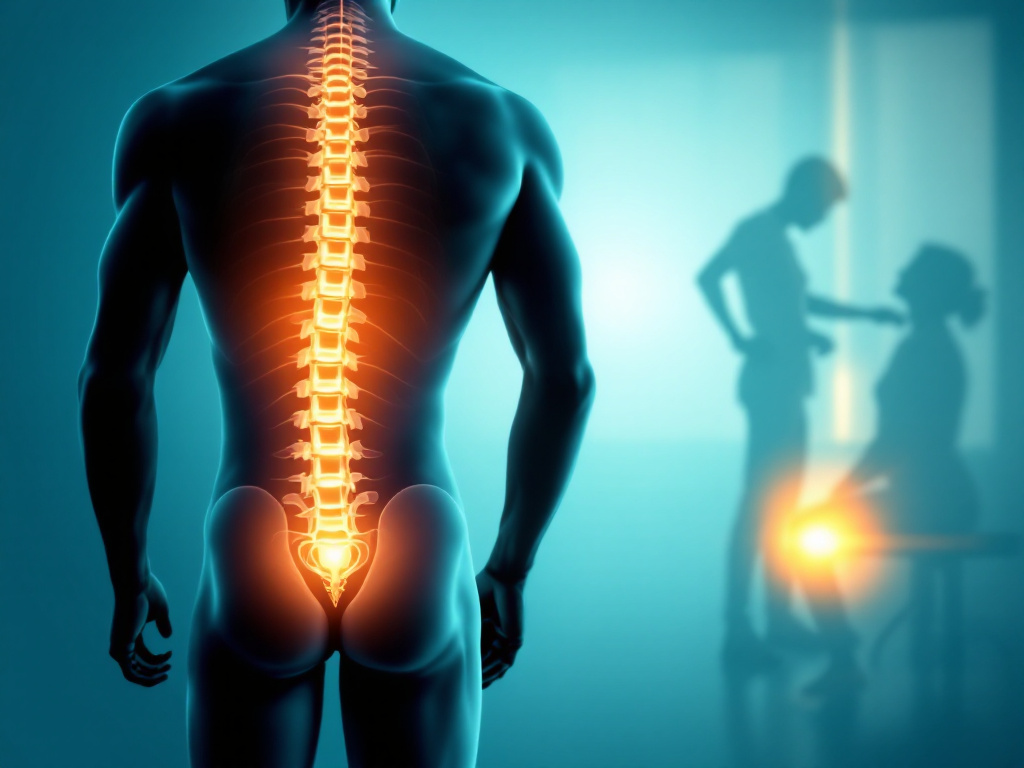
Understanding chiropractic for chronic sciatica
If you have lived with chronic sciatica, you already know it is very different from “ordinary” low back pain. Sciatica affects the long sciatic nerve that runs from your lower back through your hips, down your leg and into your foot. When this nerve is compressed or irritated, you can feel sharp shooting pain, burning, tingling, numbness, or weakness that often affects just one side of your body. [1]
Sciatica is common, affecting an estimated 10 to 40 percent of people at some point in their lives. While many mild cases improve on their own, persistent or recurrent symptoms can turn into chronic sciatica and can lead to ongoing pain and muscle weakness if it is not addressed. This is where chiropractic for chronic sciatica can become an important part of your long‑term plan. Chiropractic treatment focuses on restoring motion and alignment in your spine and related joints, reducing mechanical pressure on the sciatic nerve, and improving how your neuromusculoskeletal system functions as a whole.
Chiropractic care is also a drug‑free, non‑surgical option. For many people who want to avoid relying on pain medication, chiropractic provides a way to manage pain, improve performance, and address underlying mechanical problems at the same time. [1]
How chronic sciatica develops
Chronic sciatica is usually a sign that your sciatic nerve has been irritated for a long time, or that the source of compression has never been fully corrected. In many cases, you are not just dealing with the nerve itself. You are dealing with a combination of spinal joint mechanics, disc health, soft tissue tension, and movement patterns that place extra stress on your lower back.
Common structural causes include herniated or bulging lumbar discs, spinal stenosis, and degenerative changes that narrow the space where nerves exit the spine. These changes can compress or inflame the nerve root that forms the sciatic nerve, creating the familiar pattern of radiating pain from the lower back down the leg. [2]
Posture often plays a role as well. Long hours of sitting, repetitive lifting, or training loads that exceed your current capacity can gradually change how you move and stand. Over time you may develop subtle compensations, such as an anterior pelvic tilt or asymmetrical weight bearing. These patterns can place more stress on the lower lumbar segments, which is why posture‑focused options like chiropractic for sciatica and posture and postural therapy chiropractic care are extremely relevant for chronic cases.
Why consider chiropractic for chronic sciatica
Chiropractic for chronic sciatica is not just about “cracking” your back to make the pain disappear. In a specialty practice, your chiropractor evaluates how your spine, nervous system, and movement patterns are working together so that treatment can target the main driver of your symptoms.
Chiropractic care for chronic sciatica typically includes spinal manipulation and other hands‑on therapies that apply controlled force to restricted joints. The goal is to improve motion, decrease joint irritation, and relieve pressure on the affected sciatic nerve. Relief usually requires multiple visits and is often combined with home exercises and lifestyle modifications. [1]
For many people, this conservative approach is attractive because it is:
- Non‑invasive
- Drug‑free
- Focused on restoring function rather than masking pain
- Adaptable to sports, occupational, or performance demands
Chiropractic care is generally considered safe for chronic sciatica with very few serious risks when you work with a licensed provider, and it can complement medical evaluation and imaging when needed. [1]
Core chiropractic techniques for sciatica relief
When you pursue chiropractic for chronic sciatica, your treatment plan will usually include several coordinated techniques. A specialty clinic such as bowker performance chiropractic or bowker performance & posture chiropractic can tailor these methods to your specific presentation, sport, or occupational demands.
Spinal adjustments and joint manipulation
Spinal adjustments remain a central strategy. Precise, gentle thrusts or low‑force mobilizations are applied to lumbar and pelvic segments that are restricted or misaligned. By restoring more normal joint motion, chiropractic care can:
- Reduce local inflammation around irritated nerve roots
- Decrease mechanical compression on the sciatic nerve
- Improve segmental stability and load distribution
In some cases, restoring disc position can also relieve pressure on the sciatic nerve and improve nerve signaling. [2] This is particularly relevant if a disc bulge is contributing to your symptoms.
Soft tissue therapy and massage
Chronic sciatica often leads to tight, protective muscle guarding in the lower back, glutes, and hamstrings. Chiropractic massage therapy targets these areas to reduce tension and improve circulation. Focused pressure helps trigger the release of your body’s natural pain‑relieving chemicals, called endorphins, and promotes deep muscle relaxation. [2]
Soft tissue work may include trigger point therapy, instrument‑assisted techniques, or myofascial release around the piriformis, hip rotators, and lumbar paraspinals. When combined with joint adjustments, this approach can create a more lasting reduction in nerve irritation.
Spinal decompression and traction
If your sciatica is clearly related to disc compression, your chiropractor may incorporate decompression or traction. Gentle, sustained stretching of the spine can create negative pressure inside the disc, which may help retract a bulge slightly and reduce nerve root compression. [2]
This method is often paired with stabilization exercises so that any gains in disc space and nerve room are supported by stronger core and hip musculature.
Heat, cold, and therapeutic ultrasound
Modalities are not the primary fix, but they can help manage inflammation and pain while you work on deeper mechanical changes. Many chiropractic clinics use:
- Ice or cold packs to reduce acute inflammation and numb painful areas
- Heat to relax tight muscles and improve blood flow before adjustments
- Ultrasound to promote tissue healing and decrease muscle spasm
These techniques are typically used as part of a broader strategy, not as stand‑alone treatments. [2]
Neurologic chiropractic care for sciatic nerve health
Because sciatica is ultimately a nerve problem, there is a natural overlap between chiropractic for chronic sciatica and neurologic chiropractic care. A neurologically oriented chiropractor looks beyond local joint restriction to evaluate how well your nervous system is coordinating movement, posture, and balance.
At this level, treatment may include:
- Specific adjustments to reduce irritation of nerve roots along the lumbar spine
- Exercises that retrain balance, coordination, and proprioception, similar to the focus of chiropractic for balance and coordination
- Targeted work to improve neuromuscular control of the hips and core, which directly affects how much stress is transmitted to your lower back
This kind of specialized approach can be especially valuable if your sciatica is affecting your gait, your ability to perform in sport, or your confidence with complex movements. Integrated chiropractic neurologic support helps you restore not only pain‑free motion but more precise and efficient control of that motion.
Posture, spinal curvature, and chronic sciatica
For many chronic cases, sciatica is part of a larger posture story. When your spine is consistently out of its optimal alignment, or when you have underlying curvature conditions such as scoliosis or excessive lordosis, the load on your lower lumbar segments increases. Over time this can amplify disc stress and nerve compression.
Posture‑focused and structural care, such as chiropractic for spinal curvature conditions or chiropractic for scoliosis charlotte, can help reduce these chronic forces. Treatment often includes:
- Detailed analysis of your standing and dynamic posture
- Corrective exercises that address asymmetries in strength and flexibility
- Specific adjustments to improve spinal alignment
- Guidance from a postural therapy specialist charlotte to integrate new patterns into your daily life
When these structural issues are addressed, it often becomes easier to maintain long‑term relief from sciatica, since your lower back is no longer absorbing the same degree of mechanical overload.
In chronic sciatica, addressing posture and spinal mechanics is often what transforms short‑term pain relief into sustainable functional change.
Sciatica care for athletes and active adults
If you are an athlete or train at a high level, sciatica can quickly limit your performance. Sprinting, cutting, lifting, and even long endurance sessions all place heavy demands on your lumbar spine, hips, and hamstrings. Chiropractic for chronic sciatica within a performance framework is designed to get you back to your sport while also protecting you from recurrent flare‑ups.
Clinics that focus on sports injury chiropractic charlotte and chiropractor for athletic performance often combine:
- High‑precision spinal and pelvic adjustments to normalize load transfer
- Screening for asymmetrical movement patterns that predispose you to sciatic irritation
- Strength and mobility programming for hips, glutes, and core
- Sport‑specific progressions so you can return to play confidently
In this context, chiropractic for joint mobility and chiropractic for joint dysfunction are highly relevant. Restoring clean, efficient motion in the lumbar spine, sacroiliac joints, and hips helps you generate power without overloading your sciatic nerve.
What the evidence and real‑world experience show
The research base for chiropractic care in chronic sciatica is still developing, but several key themes are emerging.
Chiropractic care is widely used as a natural option for sciatica and is generally considered safe when delivered by a licensed provider. Many people report meaningful reductions in pain and improvements in function after a course of chiropractic treatment. [1]
A 2025 study referenced by Healthline noted that people with sciatica who received chiropractic spinal manipulation instead of opioids experienced fewer side effects one year after treatment. Earlier chiropractic intervention was also associated with reduced later opioid use, which underscores the value of conservative care in long‑term management. [1]
Chiropractic case reports and clinical observations point in a similar direction. Customized spinal adjustments can reduce leg pain, tingling, and numbness, and many patients gradually experience the return of more normal leg and foot sensations. Severe stabbing pains often diminish as swelling and inflammation from nerve irritation subside. [3]
Beyond pain, ongoing chiropractic treatment has been associated with:
- Improved flexibility and range of motion in the lower back, hips, and legs
- Easier performance of daily activities such as driving, bending, and walking longer distances
- Restored leg strength and steadier balance
- Better posture as spinal alignment improves, which in turn reduces pressure on the sciatic nerve [3]
Clinics that emphasize long‑term planning describe chiropractic care as a way to address the root mechanical and neuromuscular causes of sciatica instead of only masking symptoms. Regular follow‑up, corrective exercises, and lifestyle recommendations help prevent future episodes and maintain activity levels. [4]
At the same time, researchers note that studies often involve small sample sizes and methods vary, so more high‑quality research is needed to fully define the long‑term effectiveness of chiropractic for nerve‑related pain. [1]
Integrating chiropractic with your broader care plan
For chronic sciatica, the most effective plan is rarely a single treatment. Chiropractic for chronic sciatica fits well into a broader strategy that may include medical evaluation, targeted exercise, and lifestyle changes.
A specialty provider such as bowker neuromusculoskeletal care or bowker specialty chiropractic services can coordinate your care in several ways:
- Screening for red flags that require imaging or medical referral
- Working alongside your primary care or pain management physician
- Designing a progression from pain relief to performance and prevention
- Addressing related issues, such as chiropractic for migraine charlotte or chiropractic for whiplash and posture, if head and neck mechanics are also involved
If you live or train in the region, exploring a clinic known for niche chiropractic charlotte can ensure that your sciatica care is integrated with high‑level nervous system support, posture correction, and performance‑oriented rehabilitation.
What to expect from a specialty chiropractic visit
When you first seek chiropractic for chronic sciatica, especially in a specialty practice, you can expect a detailed assessment rather than a quick adjustment. This usually includes:
- A thorough history of your symptoms, training volume, work demands, and previous treatments
- Orthopedic and neurologic testing to assess nerve function, strength, and reflexes
- Movement and posture analysis, both static and dynamic
- A discussion of findings and a proposed care plan, often including a projected timeline
From there, your care typically progresses through phases:
- Symptom reduction, focusing on pain, inflammation, and nerve irritation
- Restoration of joint motion and soft tissue quality
- Neuromuscular retraining for stability, balance, and coordination
- Return to full sport or workload with ongoing maintenance as needed
Throughout this process you are usually given specific home exercises, self‑care strategies, and postural habits that support the work done in the clinic. This kind of active participation is one of the reasons chiropractic care often meshes well with performance‑minded individuals who are used to training with intention.
Moving forward with chronic sciatica care
Chronic sciatica can be frustrating and limiting, but it is not something you have to simply “live with.” When you combine targeted chiropractic for chronic sciatica with posture correction, neurologic support, and sport‑specific rehabilitation, you have a clear path toward less pain and better function.
Whether you are looking for help resolving stubborn nerve pain, improving how you move on the field, or protecting long‑term spinal health, working with a clinic that understands performance and neuromusculoskeletal complexity can make a meaningful difference. If you are ready to explore a more specialized approach, consider scheduling an evaluation with a provider who offers the kind of targeted services described above and begin building a sciatica plan that matches your goals and your lifestyle.